
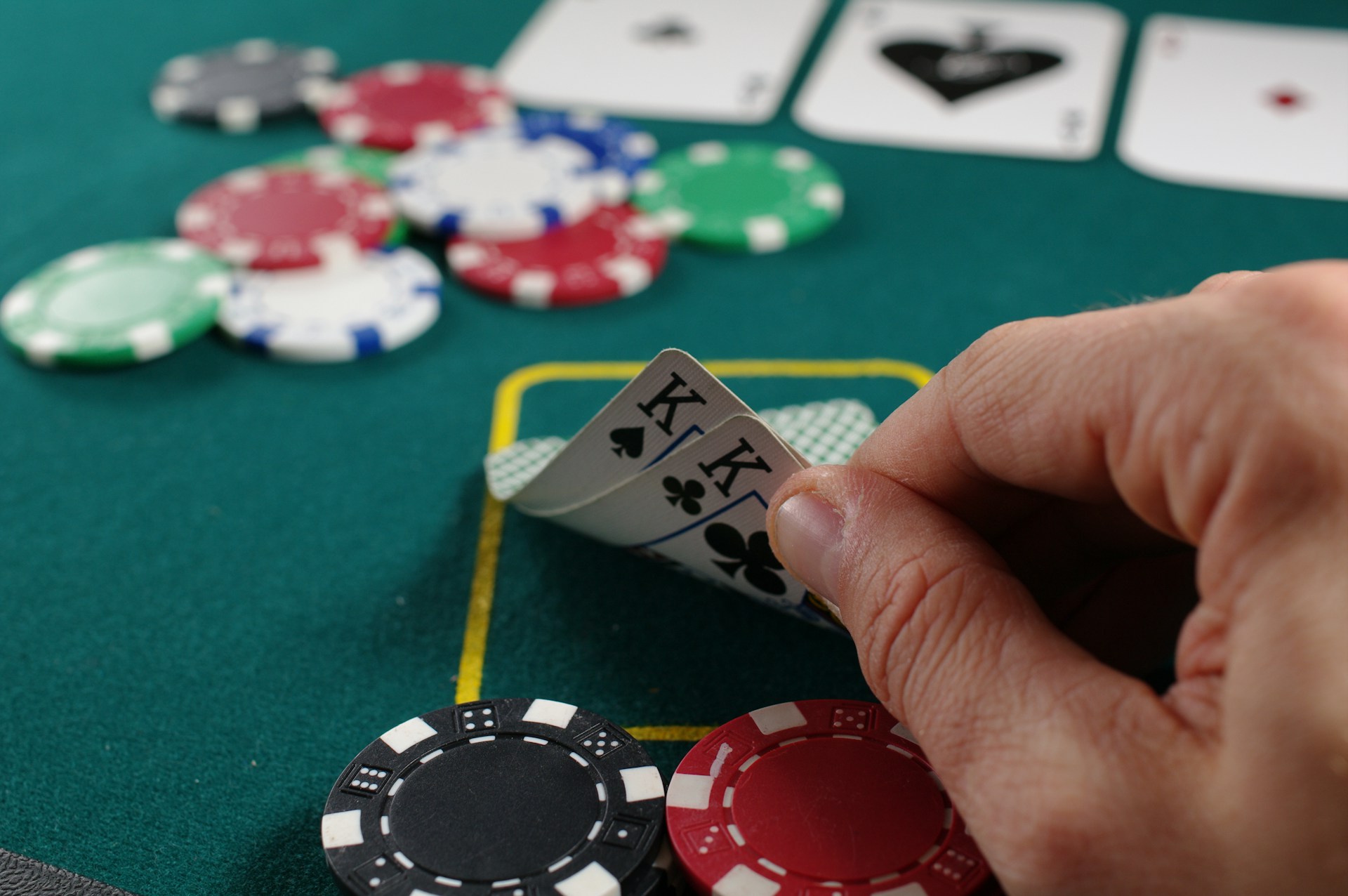
Online blackjack remains one of the most recognized card games in digital casino entertainment. Its popularity comes from a straightforward objective combined with decisions that influence how each round develops. Unlike games that rely entirely on selecting a wager and waiting for an outcome, blackjack allows players to make choices based on the cards they receive and the dealer’s visible card. Digital versions maintain these familiar rules while introducing automated features, interactive controls, and different table variations. Although the basic objective is easy to understand, certain rules can differ between platforms. Learning how card values, player decisions, dealer procedures, and payout structures work provides a clearer understanding of the game. These details from Diwa X also help players recognize the differences between standard and specialized online blackjack formats.
Understanding Card Values and Game Objectives
The main objective of blackjack is to achieve a hand value closer to 21 than the dealer’s hand without exceeding that total. Each card has a specific value. Numbered cards retain their printed values, while kings, queens, and jacks are worth ten points each. An ace can count as either one or eleven, depending on which value benefits the hand without causing a bust. A hand containing an ace counted as eleven is commonly called a soft hand. For example, an ace and a six create a soft 17. If another card changes the total, the ace can count as one instead, preventing an immediate bust. A hand without an ace counted as eleven is generally described as hard. Understanding this distinction is important because it affects how players evaluate their available decisions during a round.

Examining the Initial Deal and Table Setup
An online blackjack round begins when players place their wagers within the available betting limits. Once betting closes, the dealer distributes cards according to the game’s rules. In many standard versions, each player receives two cards, and the dealer also receives two cards. One dealer card is usually visible, while the other remains hidden until the appropriate stage. The interface displays the player’s hand value and available actions. Automated blackjack games update these details immediately as cards are dealt. Live dealer versions show the physical cards through a video stream while allowing players to submit decisions digitally. Some variations use different numbers of decks or specific dealing procedures. These details can influence the mathematical characteristics of a game. Players should review the table information before participating, particularly when switching between different blackjack formats.
Exploring Player Decisions During Gameplay
Player decisions are central to blackjack mechanics. After receiving the initial cards, participants can choose from several actions depending on the situation and the game’s rules. Hitting means requesting another card to increase the hand total. Standing means keeping the current hand and ending further card requests. Doubling down allows a player to increase the original wager, usually in exchange for receiving only one additional card. Splitting is available when the initial hand contains a qualifying pair. The cards are separated into two individual hands, with an additional wager generally required. Each hand then continues according to the applicable rules. Some games also offer surrender, which allows players to give up a hand under specific conditions and recover part of their original wager. Not every online blackjack version includes this option. The available actions depend on the table’s published rules.

Understanding Dealer Rules and Bust Conditions
Dealers follow fixed procedures rather than making independent decisions based on personal judgment. In many blackjack games, the dealer must continue drawing cards until reaching at least 17. However, rules concerning soft 17 can vary. Some tables require the dealer to stand on every 17, including soft 17. Others require the dealer to hit a soft 17. This difference can affect the game’s overall mathematical advantage and should be checked before playing. A bust occurs when a hand exceeds 21. If a player’s hand goes over this total, the …
Read More